1. Yucatán’s Geological Reality
Yucatán’s subsurface consists predominantly of highly permeable carbonate rock. In many areas, the soil layer is extremely thin or practically nonexistent.
As a result, any discharge that infiltrates or is injected into the ground can reach the aquifer and cenote systems relatively quickly. This makes accurate effluent characterization and strict compliance with the standard’s limits especially important.
2. Key NOM-001-SEMARNAT-2021 Parameters in Karst Terrain
The 2021 standard introduced significant changes compared with the 1996 version. The most relevant changes for industrial discharges in Yucatán include:
Acute toxicity is formally calculated using the following equation:
Here, EC₅₀ is the concentration that causes an adverse effect in 50% of the test organism population.
These impacts are not merely theoretical. Studies in the peninsula document how contamination in the karst aquifer can spread easily through the network of cenotes and conduits, affecting both water quality and the biodiversity associated with these unique geological formations.
3. Anaerobic Biodigesters and the Industrial Profile of Southeastern Mexico
In southeastern Mexico, particularly in Yucatán, the swine, food, and beverage industries generate effluent with a high organic load. Yucatán accounts for a significant share of the peninsula’s swine production. Campeche and Quintana Roo have less activity in this sector, although both have agro-industrial operations. Quintana Roo also has a strong tourism sector, which generates wastewater discharges as well.
In this context, anaerobic biodigesters are used as an initial treatment stage to reduce COD and TOC and capture methane.
Experience documented in Yucatán shows that even a well-operated biodigester, while effective at reducing organic load, usually requires additional treatment stages to meet the limits in NOM-001-SEMARNAT-2021. In a highly permeable system, the final effluent quality is especially important because there is no soil layer to act as a natural filter.
4. Setback Requirement: NTA-001-SDS-22
The NTA-001-SDS-22 Environmental Technical Standard, issued by the Yucatán Secretariat of Sustainable Development, establishes that wastewater treatment systems must not be installed within 75 meters of cenotes or karst depressions.
This requirement is intended to protect the aquifer and karst formations in a highly vulnerable region. Because the soil provides little or no filtration, the state authority established this minimum setback as a preventive measure to reduce the risk of direct infiltration in areas with high hydrological and ecological sensitivity.
Verifying this requirement early in the project helps identify site restrictions and avoid costly changes later.
5. How the Bajío Differs
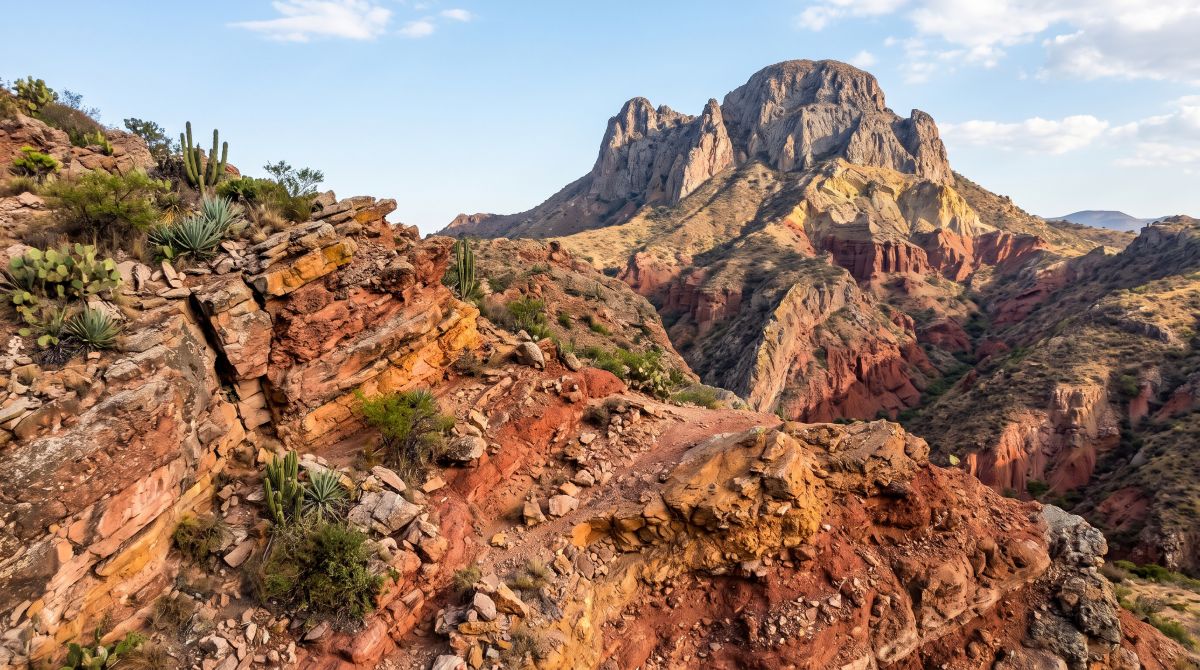
In the Bajío, the geology generally provides greater natural attenuation of the aquifer. The region’s dominant industries—automotive, metalworking, chemical, and component manufacturing—also generate different priority pollutants, including metals, fats and oils, and organic loads of varying types.
These geological and industrial differences mean that characterization and control priorities are not the same in both regions.
6. Priority Action Sequence and Strategic Considerations
To guide decisions about discharge controls in karst terrain, the following sequence is recommended:
- Initial effluent characterization. Conduct representative sampling through an accredited laboratory. Include COD or TOC, depending on chloride levels, acute toxicity, temperature, true color, and any additional parameters applicable to the receiving body of water.
- Classify the receiving body of water. Confirm whether the discharge or infiltration point is in a karst area and apply the relevant limits under NOM-001-SEMARNAT-2021.
- Verify the distance from cenotes or karst depressions. Confirm compliance with the 75-meter setback in NTA-001-SDS-22 before expanding or installing a new treatment system.
- Evaluate the performance of existing treatment stages. If the facility has a biodigester or another treatment system, compare the final effluent quality with current regulatory limits.
- Maintain documentation and traceability. Keep characterization results, logs, and supporting evidence in a format that can withstand reviews by authorities and supply chain partners.
Strategic Perspective
In karst terrain, aquifer contamination is difficult to reverse once pollutants enter the network of conduits and cenotes. For this reason, regular testing, discharge planning, and effluent quality control are more than formal compliance measures: they help protect the water resources on which industrial operations and the surrounding environment depend.
Reliable characterization helps identify deviations early, so informed decisions can be made before they lead to operational restrictions or audit findings.
HF Safety & Environmental Services provides wastewater characterization through accredited laboratories and The goal is to provide reliable technical information that clearly identifies the status of a facility’s discharges and the highest-priority compliance actions.
The goal is to provide reliable technical information that clearly identifies the status of a facility’s discharges and the highest-priority compliance actions.
If reviewing your discharge parameters or the location of your treatment systems identifies areas that need technical evaluation, our team is available to discuss them.
How We Can Help
Karst Terrain and Wastewater Discharges: Protect Your Operations in Southeastern Mexico
In a highly permeable environment such as Yucatán, noncompliant effluent is more than an administrative violation. It poses a critical, potentially irreversible risk to the aquifer and to your plant’s ability to operate legally.
At HF Safety & Environmental Services, we combine experience in the Bajío and southeastern Mexico to deliver precise engineering solutions:
- Advanced analytical characterization: Sampling supported by accredited laboratories to assess COD, TOC, acute toxicity, and true color under NOM-001-SEMARNAT-2021.
- Site assessment (NTA-001-SDS-22): We verify setback zones and minimum distances from cenotes and karst depressions before any expansion.
- Treatment optimization: We assess the actual performance of existing systems—including biodigesters—to support compliance without unnecessary investment.
Protect the surrounding environment and ensure water-related traceability for your project.
Karst Terrain and Wastewater Discharges
In a highly permeable environment such as Yucatán, noncompliant effluent is more than an administrative violation. It poses a critical, potentially irreversible risk to the aquifer and to your plant’s ability to operate legally.
At HF Safety & Environmental Services, we combine experience in the Bajío and southeastern Mexico to deliver precise engineering solutions:
- Advanced analytical characterization: Sampling supported by accredited laboratories to assess COD, TOC, acute toxicity, and true color under NOM-001-SEMARNAT-2021.
- Site assessment (NTA-001-SDS-22): We verify setback zones and minimum distances from cenotes and karst depressions before any expansion.
- Treatment optimization: We assess the actual performance of existing systems—including biodigesters—to support compliance without unnecessary investment.
Protect the surrounding environment and ensure water-related traceability for your project.
Sources
-
Ministry of Environment and Natural Resources (SEMARNAT). (2022). NOM-001-SEMARNAT-2021: Establishing permissible limits for pollutants in wastewater discharges into receiving bodies of water owned by the Nation. Official Gazette of the Federation, March 11, 2022.
-
Secretariat of Sustainable Development of the State of Yucatán. (2022). Environmental Technical Standard NTA-001-SDS-22. Official Gazette of the Government of the State of Yucatán.
-
Pérez-Espejo, R. H., & Cervantes-Hernández, G. I. (2018). “Mitigation Strategies: The Biodigester Program in Yucatán, Mexico.” Península, 13(2), 235–262.
-
CIGA-UNAM Soil Museum. (n.d.). The Soils of the Yucatán Karst. https://museosuelos.ciga.unam.mx/ciencia/?p=22