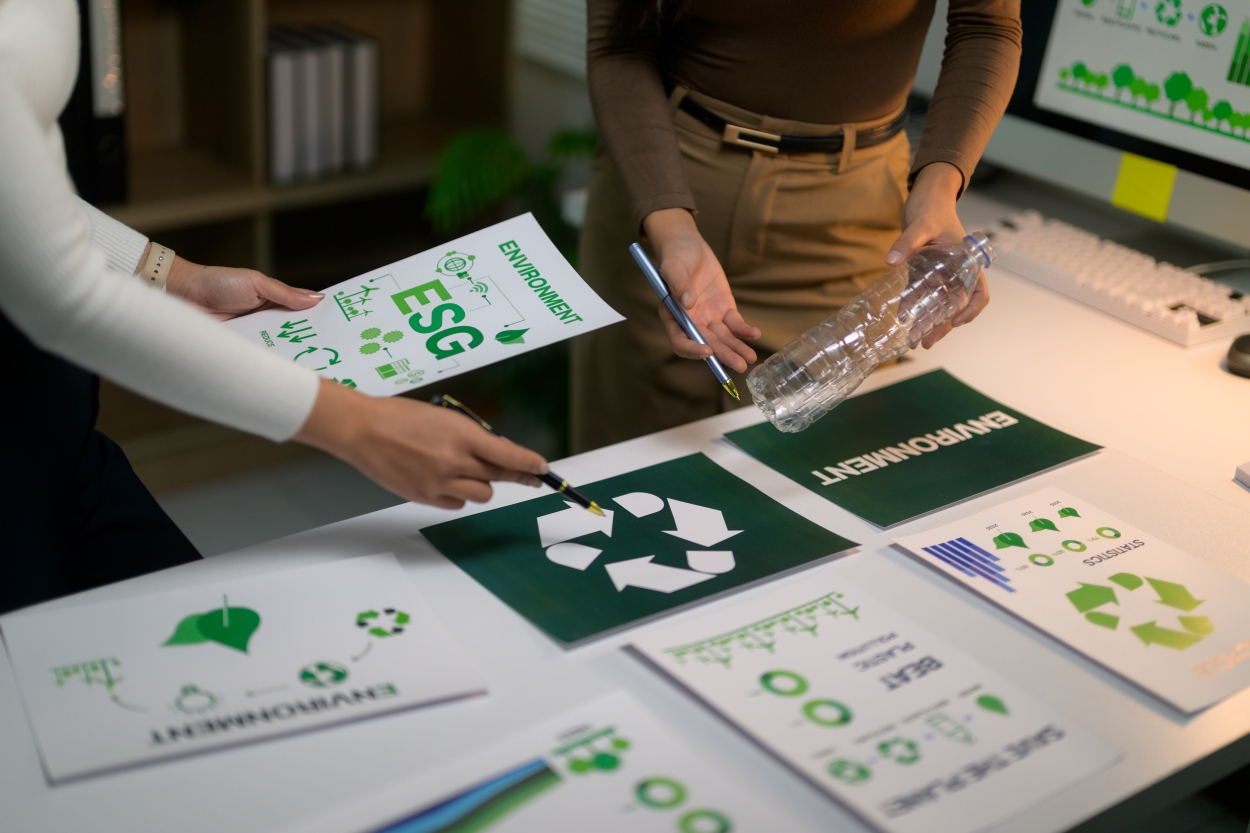
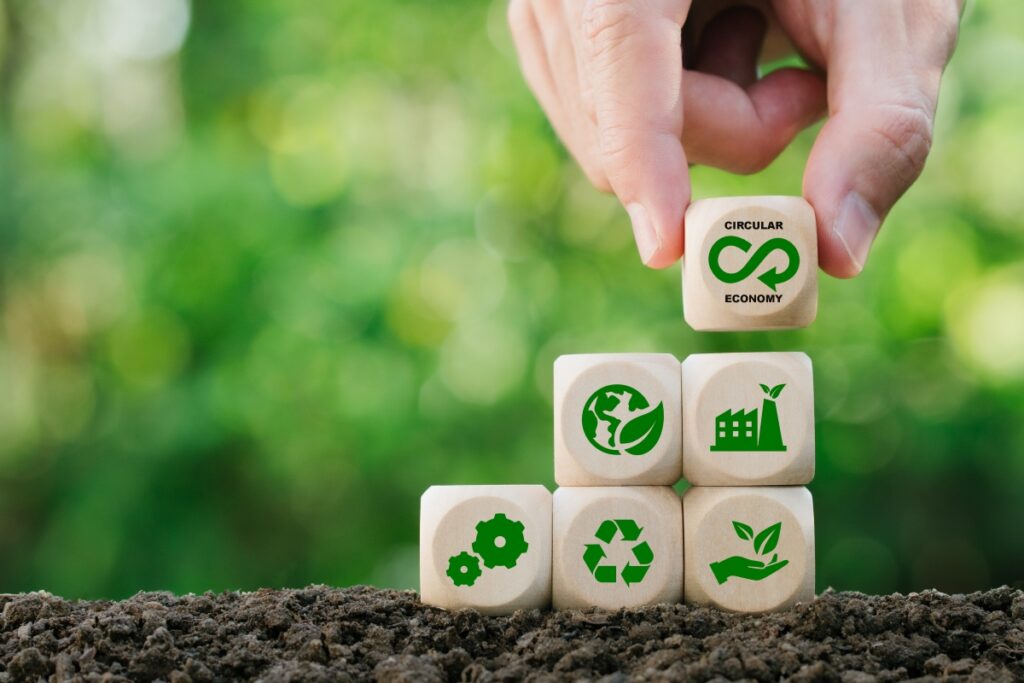
However, for a long time, the circular economy remained primarily associated with waste management strategies or corporate social responsibility (CSR) initiatives. It was not until the last decade that the concept began to be directly linked to business competitiveness. Regulatory pressure in Europe, increased volatility in raw material prices, and the expectations of major corporate buyers forced companies to re-evaluate their material production and consumption models.
In North America, this process accelerated with the entry into force of the USMCA. Unlike NAFTA, which addressed environmental issues in very general terms without specific enforcement mechanisms, the new agreement includes an entire chapter (Chapter 24) dedicated to the environment. This chapter establishes the obligation to effectively enforce domestic environmental laws and promotes commercial practices that contribute to sustainability. Although the USMCA does not explicitly mention the term “circular economy,” its provisions create an environment in which companies that demonstrate superior material and waste management face lower risks of scrutiny from clients or regulatory authorities.
In Mexico, this process reached a turning point in January 2026 with the publication of the General Law on Circular Economy (Ley General de Economía Circular). This legislation introduces principles such as Extended Producer Responsibility (EPR), the waste management hierarchy, and the traceability of material flows. Although its implementation will be gradual, it sends a clear signal: circularity practices will cease to be voluntary across several sectors and will become an integral part of the compliance framework that companies must address.
A Comparative Perspective: How Are Other Nations Approaching It?
To understand the operational context in which Mexico operates, it is useful to compare the distinct regulatory approaches currently in place across major trading regions:
As revealed in this comparison, while the European Union boasts a consolidated and progressively tightening framework, Mexico is currently in the initial stages of implementing its new legislation. Meanwhile, in the United States, the absence of a federal law has resulted in a fragmented landscape where the primary driving force stems from stringent state-level regulations and the demands of major corporate buyers.
In this environment, the global momentum toward greater material lifecycle traceability and accountability is overwhelming. Companies integrated into cross-border supply chains face increasingly demanding environmental performance requirements, compelling them to act proactively regardless of the pace of regulatory development in their local jurisdiction.
What Purpose Does the Circular Economy Serve in Manufacturing?
Beyond technical definitions, the circular economy represents a fundamental shift in how material flows are managed within industrial operations. Rather than designing products and processes around a traditional manufacture-and-sell paradigm, the objective is to preserve material value for as long as possible. This requires making strategic decisions during early-stage product design, supplier selection, production processes, and post-consumer management.
For a typical manufacturing facility in the Bajío region, this translates into actionable opportunities: reusing internal scrap and off-cuts, establishing take-back schemes with suppliers, reducing non-recyclable waste streams, or redesigning packaging and components to facilitate recovery. These are not necessarily radical, all-at-once operational overhauls, but rather informed, strategic choices that reduce reliance on virgin raw materials and lower associated disposal costs.
The Linear Model and Its Increasingly Visible Costs
The traditional linear production model generates costs that were long treated as unavoidable overhead: constant purchasing of virgin raw materials, waste disposal fees, exposure to supply chain bottlenecks, and increasingly frequent requests from customers demanding traceability and proof of responsible management.
These costs, once absorbed into operating margins, have become far more visible. The combination of heightened scrutiny from international buyers, investor ESG expectations, and a tightening regulatory framework in Mexico has prompted many organizations to evaluate whether continuing under the status quo remains financially sound and risk-tolerant.
The Tangible Benefits Companies Are Pursuing
Organizations advancing circular economy strategies report benefits extending far beyond basic regulatory compliance. Among the most frequent advantages are reduced direct material consumption, lower freight and waste disposal expenses, decreased exposure to commodity price volatility, and an enhanced competitive posture when evaluated by ESG-focused clients.
Furthermore, leveraging frameworks like the GHG Protocol to measure emissions has allowed many companies to realize that a significant portion of their carbon footprint is tied directly to the materials they consume and the waste they generate. A well-engineered circularity strategy simultaneously cuts emissions and optimizes resource utilization, delivering co-benefits that clearly justify the investment of time and capital.
SUPPLY CHAIN RISK ASSESSMENT AND BUSINESS CONTINUITY
The core challenge for executive leadership lies not in debating the theoretical validity of circularity, but in seamlessly embedding these models into the company’s financial and operational strategy without compromising daily efficiency or service-level agreements (SLAs).
References (APA 7th edition format)