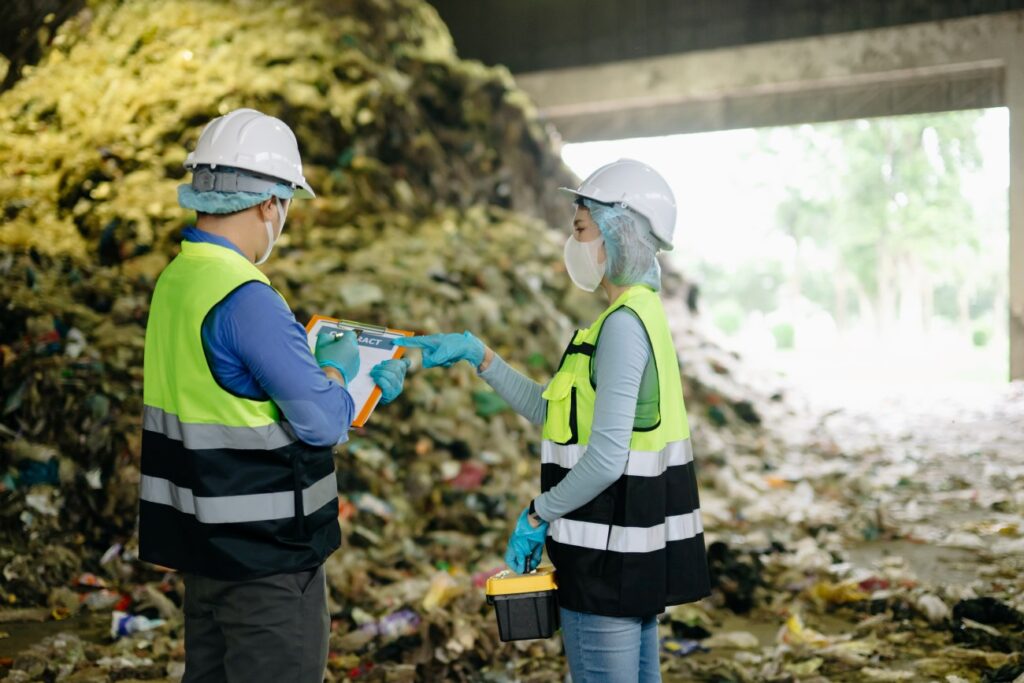
Beyond financial penalties, the main risk lies in the impact on business continuity and in the liability that falls on company management when adequate controls are not implemented.
Progressive symptoms of heat stress and their controls
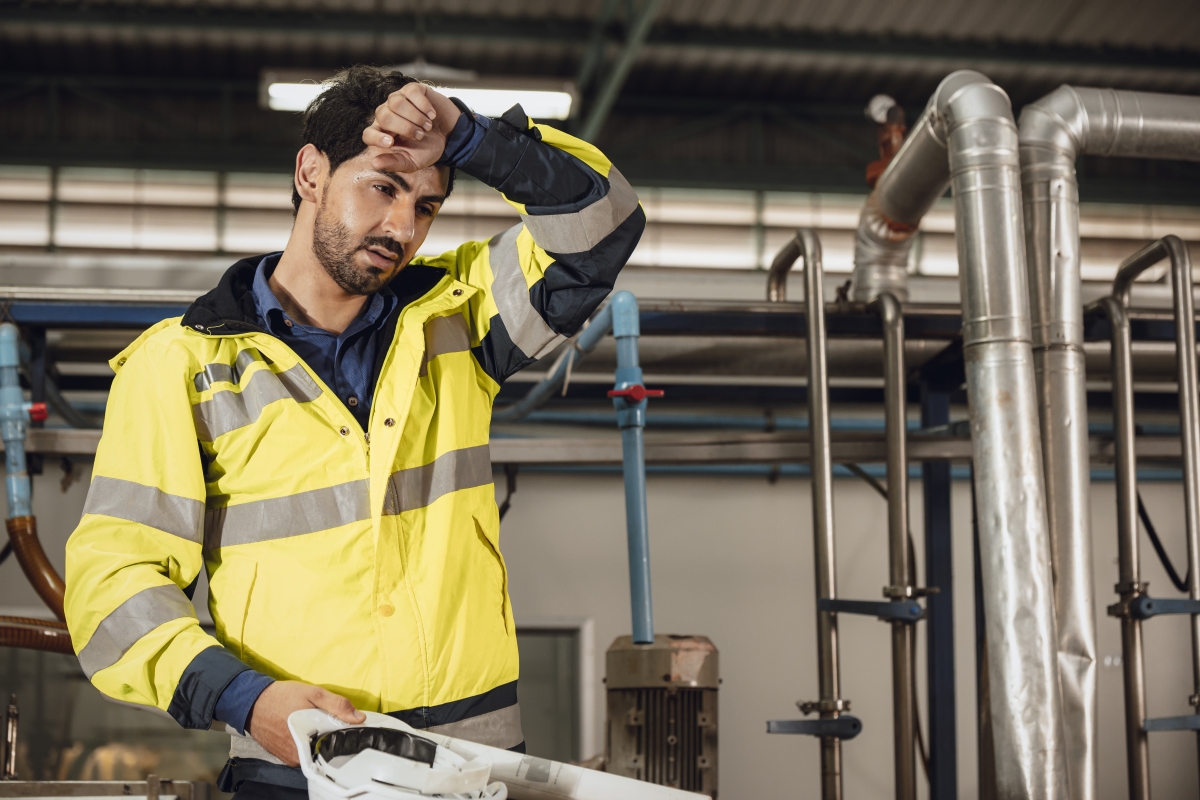
Heat stress generally follows a progression. If not addressed promptly, it can develop into more serious conditions. The most common sequence is described below:
A heat stroke is a medical emergency that can cause permanent damage or death. Mental confusion is one of the first signs that should not be ignored.
Progression of hypothermia and recommended controls
Hypothermia also follows a clear progression:
In advanced stages of hypothermia, the worker may stop shivering, which is a serious warning sign and should not be interpreted as improvement.
The most common mistake: reducing it all to “giving water”
A widely held belief is that the main control against heat is keeping workers hydrated. While hydration is necessary, reducing heat stress management solely to water intake is insufficient.
The body loses not only water but also essential electrolytes. In addition, factors such as acclimatization, workload, type of clothing, and individual worker conditions play a significant role. For this reason, current best practices recommend the design of structured protocols that include scheduled breaks, staff rotation, and medical surveillance to enable early identification of workers at risk.
How the issue should be properly addressed
Proper management begins with a technical assessment of thermal conditions. This assessment makes it possible to objectively identify the positions or areas at greatest risk and set intervention priorities.
Afterward, hot work protocols (or cold work protocols, as applicable) should be designed, taking into account work organization, rest periods, worker acclimatization, and medical surveillance mechanisms.
The importance of proper technical measurement
Many companies still assess the thermal environment approximately, relying solely on workers’ perceptions or basic air temperature measurements. This type of approach can lead to incomplete assessments.
The internationally recommended technical measurement is performed using the Wet Bulb Globe Temperature (WBGT). This instrument integrates air temperature, humidity, thermal radiation, and air velocity into a single reading, providing a more representative assessment of the actual heat stress to which the worker is exposed.
Unlike other methods, the WBGT requires a stabilization period for the equipment (generally between 15 and 20 minutes) to obtain reliable readings. This measurement, when performed correctly on-site, enables more accurate decisions about the necessary controls.
Technical controls and applicable regulations
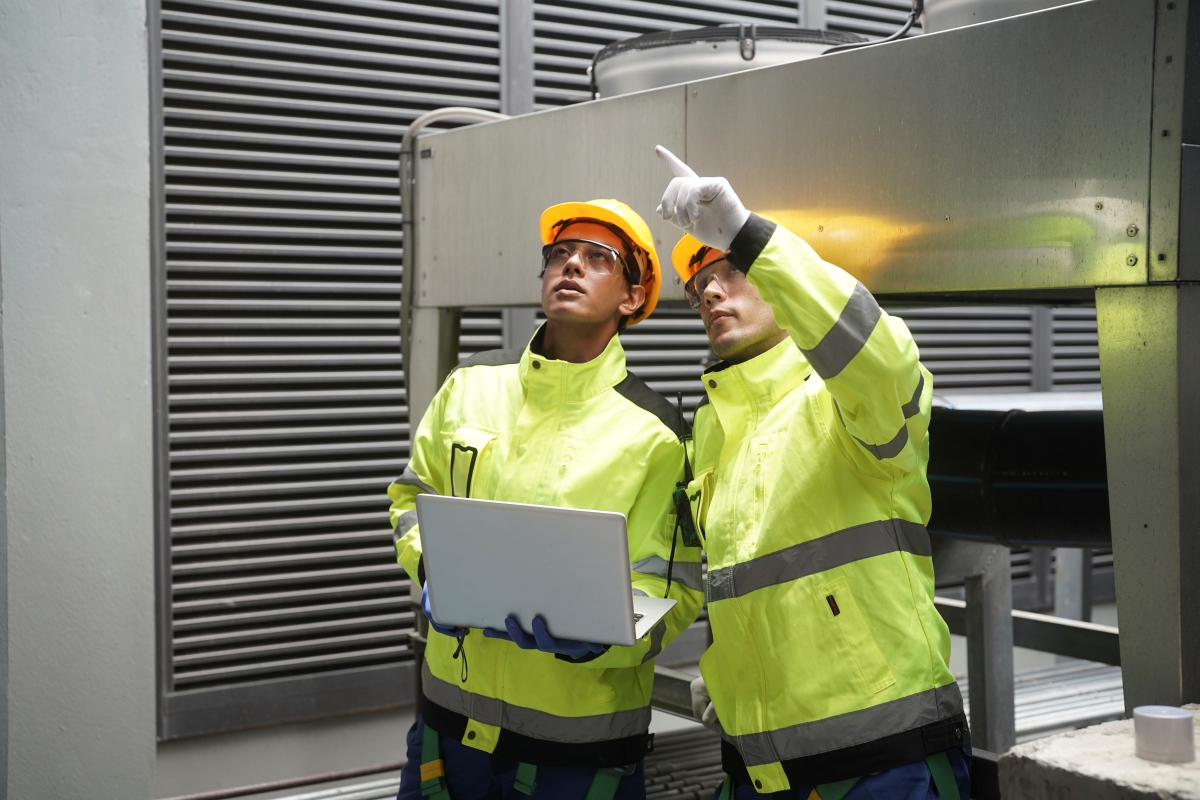
Controls to prevent heat stress must follow a hierarchy: first, engineering measures; then, administrative controls; and finally, Personal Protective Equipment when necessary.
Regarding the assessment of the thermal environment, the WBGT method is internationally recognized and is supported by the ISO 7243 standard (Hot environments — Estimation of the heat stress on working man, based on the WBGT-index). Additionally, the ACGIH Threshold Limit Values (TLVs) are a widely used international reference for establishing occupational heat exposure limits.
Regarding Personal Protective Equipment, when special clothing is required for hot or cold environments, it must be selected based on its breathability and thermal insulation properties. The most commonly used reference standards are ISO 11092 and ISO 15831. In Mexico, the selection and use of PPE must comply with the requirements established in NOM-017-STPS-2008.
References (APA 7th edition format)
- American Conference of Governmental Industrial Hygienists. (2024). Threshold limit values for chemical substances and physical agents and biological exposure indices. ACGIH.
- Government of the United Mexican States. (2001). Official Mexican Standard NOM-015-STPS-2001, Elevated or Reduced Thermal Conditions – Workplace Safety and Hygiene. Official Gazette of the Federation.
- Government of the United Mexican States. (2008). Official Mexican Standard NOM-017-STPS-2008, Personal Protective Equipment – Selection, Use, and Handling. Official Gazette of the Federation.
- International Organization for Standardization. (2017). ISO 7243:2017 — Ergonomics of the thermal environment — Assessment of heat stress using the WBGT (wet bulb globe temperature) index. ISO.
- International Organization for Standardization. (2014). ISO 11092:2014 — Textiles — Physiological effects — Measurement of thermal and water-vapour resistance under steady-state conditions (sweating guarded-hotplate test). ISO.
- International Organization for Standardization. (2004). ISO 15831:2004 — Clothing — Physiological effects — Measurement of thermal insulation by means of a thermal manikin. ISO.
- Occupational Hygiene Training Association. (2023). OHTA502 Thermal Environment: Student manual. OHTA. https://www.ohtatraining.org